

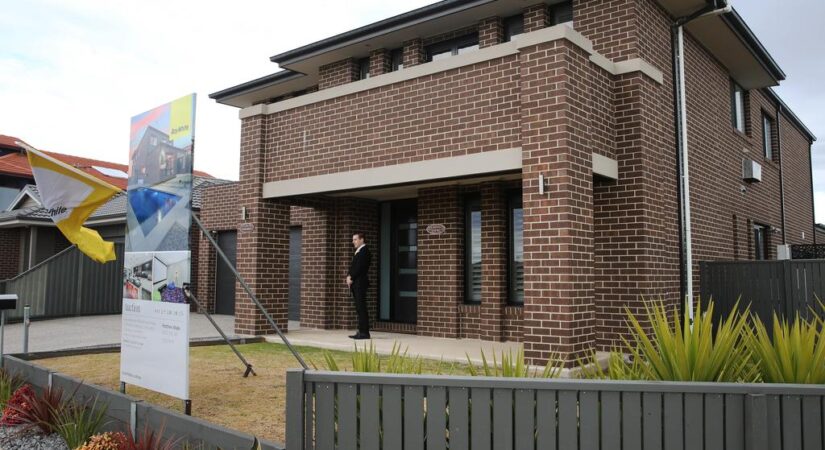
Sydney’s property market is showing clear signs of slowing, with auction activity weakening as buyers become increasingly cautious following recent federal tax reforms and ongoing economic uncertainty.
Recent auction data indicates that clearance rates have remained below 50% for several consecutive weeks, a level that has historically been associated with declining property prices. Market analysts suggest that many buyers are delaying purchasing decisions while they wait for greater clarity on the economic outlook and upcoming policy changes.
Auction Results Continue to Weaken
Sydney’s auction market has experienced one of its weakest periods in recent years. Early figures show that only around four in ten properties offered at auction are successfully selling, with many homes either being withdrawn before auction day or passed in after receiving little or no bidding.
Low clearance rates often signal softer buyer demand and can place downward pressure on property values if the trend continues.
Several regions have been particularly affected, including parts of the Central Coast, Blacktown, the Hills District, the Northern Beaches, and the North Shore, where auction success rates have fallen well below the levels seen during the previous year.
Property Prices Already Under Pressure
The slowdown in buyer activity is already being reflected in Sydney’s property prices.
Recent market data shows Sydney home values have declined significantly over the past few months, with economists forecasting further price corrections throughout the remainder of the year.
While forecasts vary, several major financial institutions and research firms expect Sydney property values to fall between 6% and 9% before the market stabilises.
Why Buyers Are Becoming More Cautious
Several factors are contributing to weaker buyer confidence.
Higher interest rates continue to impact borrowing capacity, making it more difficult for many Australians to finance a property purchase. At the same time, broader economic concerns—including inflation, employment uncertainty, and global events—are encouraging buyers to take a wait-and-see approach.
The Federal Government’s recently announced tax reforms have also added uncertainty to the market. The changes include:
- Adjustments to negative gearing benefits.
- Changes to capital gains tax concessions.
- Restrictions preventing self-managed super funds (SMSFs) from borrowing to purchase investment properties.
Although these measures are scheduled to take effect in July 2027, many buyers are already reassessing their investment strategies and waiting to see how the market responds.
Uncertainty Is Affecting Both Investors and Home Buyers
While investment-focused policy changes naturally impact investors, owner-occupiers are also becoming more cautious.
Many buyers are concerned about purchasing today if property prices continue to fall in the coming months. Others are unsure how the new tax policies may influence long-term market values, leading them to postpone buying decisions until there is greater certainty.
This hesitation has reduced competition at auctions, with fewer active bidders and more properties failing to sell.
What This Means for Sellers
For homeowners considering selling, the current market may require a different strategy than during recent years of strong price growth.
Pricing realistically, presenting properties well, and remaining flexible during negotiations may become increasingly important as buyers gain more negotiating power.
Some sellers may also choose to delay listing until market conditions improve, while others who need to sell may need to adjust expectations to reflect current buyer sentiment.
Opportunities Still Exist
Although the market is softening, changing conditions can also create opportunities.
Buyers who have stable finances and secure borrowing approval may find less competition and increased negotiating power compared to previous years. A slower market can provide more time to conduct due diligence and negotiate favourable purchase terms.
For investors, careful research and a long-term investment outlook remain essential when evaluating opportunities in a changing market.
Looking Ahead
Property markets naturally move through cycles, and while Sydney is currently experiencing a period of softer conditions, long-term demand drivers—including population growth, limited housing supply, and infrastructure investment—continue to support the city’s property market.
As buyers, sellers, and investors adjust to the changing economic environment and upcoming policy reforms, market activity is likely to remain cautious in the short term.
Seeking professional advice and staying informed about market trends can help property owners and buyers make confident, well-informed decisions regardless of market conditions.