

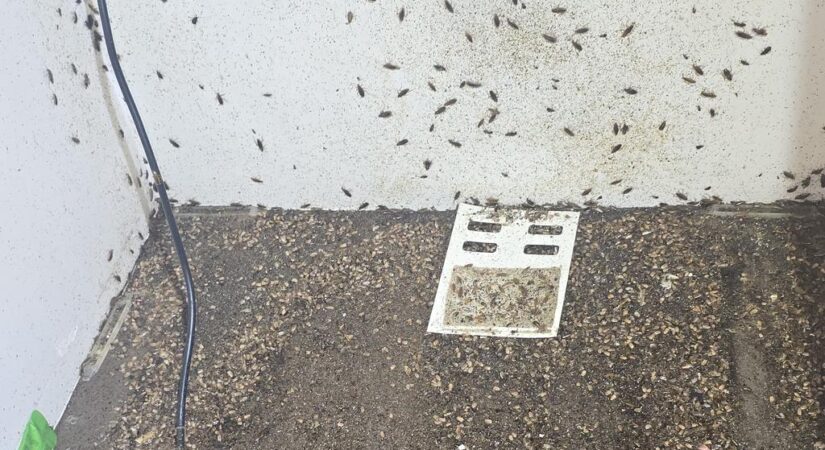
Spring is just around the corner, and with warmer weather comes a rise in pest activity across Sydney. New research has revealed that pest problems can more than double during the spring months, with different parts of the city facing different pest risks.
Research by Pest2Kill analysed 99,599 pest treatments across Sydney over more than a decade, uncovering clear seasonal and geographic patterns for common household pests including cockroaches, termites, spiders, ants and rodents.
Where you live can influence the pests you encounter
The research shows that Sydney’s pest hotspots vary depending on factors such as location, building type, moisture levels and surrounding landscaping.
Coastal areas, particularly Sydney’s eastern suburbs, recorded some of the highest proportions of cockroach-related enquiries. In the Beachside East, 64.8 per cent of pest enquiries involved cockroaches, followed by the Inner East at 60.2 per cent.
Further north, cockroach enquiries accounted for around 30.7 per cent of pest enquiries on the Upper North Shore.
Termites showed almost the opposite pattern. They accounted for just 4 per cent of enquiries in Beachside East, compared with 14.3 per cent on the Upper North Shore.
This difference highlights how the design and environment of a home can influence its pest risk.
According to Pest2Kill CEO Phil Taylor, high-density coastal housing can provide warm and humid conditions that suit cockroaches, while established timber homes with landscaped gardens can present a greater risk of termites and spiders.
Spring brings a major increase in pest activity
The seasonal increase is particularly noticeable between August and November.
The research found that new household pest bookings increase by 136 per cent between August and November, making it the steepest sustained increase of the year.
August is typically the quietest month, while November is one of the busiest. In fact, November recorded more new household bookings than August in 10 of the 11 years included in the research.
Spiders recorded the sharpest increase of all common household pests, with enquiries rising 5.5 times between August and November.
Termite activity also increases as temperatures rise, with approximately 30 per cent of the year’s termite enquiries occurring between September and November, coinciding with the beginning of termite swarming season.
Cockroaches remain Sydney’s biggest pest concern
Among the pests analysed, cockroaches were the most common.
Almost 49 per cent of all customer enquiries mentioned cockroaches, meaning they accounted for more enquiries than any other pest.
The research suggests that Sydney’s warm, humid conditions, particularly around coastal and high-density areas, can create an environment where cockroaches thrive.
For homeowners and property managers, this makes early spring a useful time to check for potential entry points, moisture problems and other conditions that could encourage pest activity.
Termites deserve special attention
While cockroaches dominate overall enquiries, termites can present a more serious concern for homeowners because they can cause significant structural damage if left undetected.
The research found a higher proportion of termite enquiries in areas with established timber homes and landscaped blocks.
Homeowners should pay particular attention to signs such as damaged or hollow-sounding timber, mud tubes, discarded wings and unexplained changes to timber around the property.
Regular termite inspections can help identify problems before they become more expensive to address.
Rodent activity is more consistent across Sydney
Rodents were an exception to the location-based patterns.
Rodent enquiries remained relatively consistent across the areas measured, ranging from approximately 9.7 per cent to 12.1 per cent.
This suggests that, unlike cockroaches and termites, rodent problems are not as strongly concentrated in particular parts of Sydney.
Why preventative maintenance matters
The findings come as cost-of-living pressures are also influencing how Australians approach home maintenance.
Separate research has found that 26 per cent of Australians are currently avoiding or delaying home maintenance, while some homeowners are also delaying pest control because of rising household expenses.
However, delaying pest control can allow a small problem to become a much larger one.
As pest activity begins to increase, homeowners can take several preventative steps:
- Keep the perimeter of the home clear of excessive vegetation and debris.
- Fix leaking taps, pipes and other moisture problems promptly.
- Check for cracks, gaps and other possible pest entry points.
- Keep food stored securely and clean spills quickly.
- Arrange regular termite inspections, particularly for timber homes.
- Consider preventative pest treatment before pest populations become established.
Prepare your property before the spring pest surge
The research provides a clear reminder that pest activity does not suddenly appear in summer. It begins building during spring, with several common household pests becoming increasingly active from August onwards.
For Sydney homeowners, early spring is an ideal time to inspect the property, address moisture and maintenance issues, and consider preventative pest control.
Taking action before pest populations become established may help protect your home and reduce the likelihood of more significant problems during the warmer months.
Sources: Pest2Kill research covering 99,599 Sydney pest treatments over more than a decade; additional home maintenance research referenced in the original report.