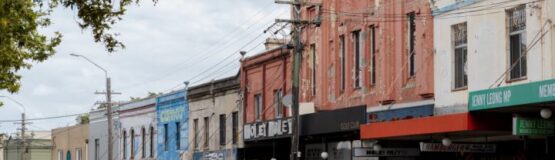

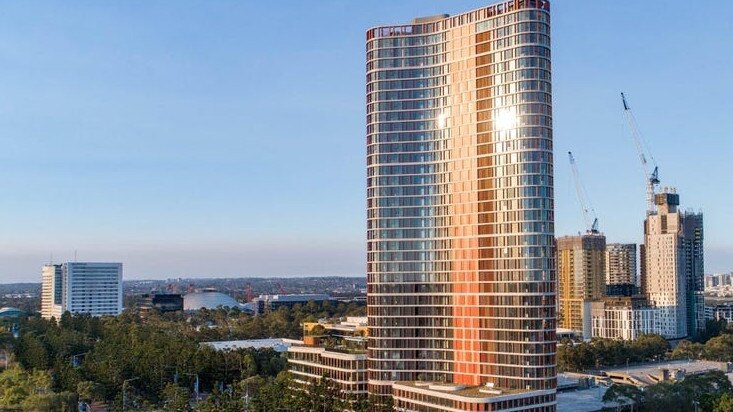
Sydney’s property market has experienced a remarkable divide over the past decade. While homeowners in outer suburban areas have enjoyed substantial growth in property values, many apartment owners in high-density unit markets have seen little growth—or even price declines.
Recent data reveals that some Sydney house markets have nearly doubled in value since 2016, while several popular unit markets remain below their prices from a decade ago.
The Growing Gap Between Houses and Units
The latest property data highlights a clear trend: houses in affordable outer suburbs have significantly outperformed many high-rise apartment markets across Sydney.
This divide largely comes down to one key factor—supply and demand.
While land remains limited and detached houses are becoming increasingly scarce, many middle-ring suburbs experienced a surge of apartment construction during the mid-2010s. As thousands of similar units entered the market, buyers gained more options, reducing pressure on prices.
For many purchasers, the choice became simple: buy a high-rise apartment closer to the city or purchase a house with land in an outer suburb for a similar price.
Sydney Unit Markets That Have Gone Backwards
Several Sydney suburbs have recorded lower median unit prices today than they did ten years ago.
Suburbs Where Unit Prices Have Fallen Since 2016
| Suburb | Current Median Unit Price | 10-Year Change |
|---|---|---|
| Sydney Olympic Park | $708,444 | -27% |
| Haymarket | $942,000 | -21% |
| Chippendale | $840,000 | -14% |
| Mortlake | $825,000 | -14% |
| North Rocks | $660,000 | -12% |
| Parramatta | $620,000 | -12% |
| Hillsdale | $780,500 | -9% |
| Lewisham | $815,000 | -9% |
| Auburn | $590,000 | -5% |
| Epping | $820,000 | -5% |
Many of these suburbs experienced significant high-rise development throughout the mid-2010s, leading to an oversupply of investor-focused one and two-bedroom apartments.
Sydney Olympic Park recorded the largest decline, with median unit prices falling from approximately $932,000 in 2016 to around $708,000 today.
Why Have Some Unit Markets Struggled?
Several factors have contributed to weaker apartment performance:
- Large volumes of new unit supply entering the market at the same time.
- High competition between similar apartment developments.
- Buyer preference shifting toward detached housing.
- Concerns around building quality in some high-rise developments.
- Greater flexibility for buyers to choose between multiple apartment projects.
As a result, many off-the-plan purchasers who bought during the apartment construction boom have found resale values lower than expected.
Outer Sydney Houses Deliver Outstanding Growth
In contrast, many outer suburban and low-density housing markets have experienced exceptional growth over the past decade.
Sydney’s Strongest Performing House Markets
| Suburb | Median House Price | 10-Year Growth |
|---|---|---|
| Jordan Springs | $1,100,000 | +95% |
| North Manly | $3,437,500 | +89% |
| Glenorie | $2,650,000 | +82% |
| Denham Court | $1,285,000 | +80% |
| Fairlight | $4,105,000 | +80% |
| Mount Victoria | $862,500 | +79% |
| Glenbrook | $1,775,000 | +78% |
| Collaroy Plateau | $2,880,000 | +76% |
| Claremont Meadows | $1,246,444 | +74% |
| St Marys | $1,170,000 | +74% |
Jordan Springs led the way, with house prices almost doubling over the decade.
Meanwhile, Western Sydney suburbs such as St Marys and Claremont Meadows have recorded growth well above the Greater Sydney average.
Infrastructure Driving Growth
A major reason behind the strong performance of outer suburbs has been infrastructure investment.
Projects such as:
- WestConnex motorway connections
- Western Sydney Airport
- Sydney Metro and rail expansions
- Local shopping and community upgrades
have dramatically improved accessibility and employment opportunities for residents.
Suburbs that were once considered distant from Sydney’s major employment centres are now far more connected, attracting both owner-occupiers and investors.
St Marys: A Prime Example
St Marys has emerged as one of Western Sydney’s standout performers.
The suburb is expected to benefit significantly from the rail link connecting it to the upcoming Western Sydney Airport, creating new transport opportunities and increasing long-term demand.
As infrastructure projects move closer to completion, many buyers are entering the market in anticipation of future growth.
What This Means for Buyers and Investors
The past decade demonstrates that property performance is not determined solely by location. Supply levels, infrastructure investment, land scarcity, and buyer demand all play critical roles.
For Buyers
- Affordable suburbs with strong infrastructure plans may continue to offer opportunities.
- Detached houses generally benefit from limited supply and land value growth.
- Research future transport and employment hubs before purchasing.
For Investors
- Be cautious of oversupplied apartment markets.
- Consider vacancy rates, future development pipelines, and local demand drivers.
- Focus on areas with strong population growth and infrastructure investment.
Final Thoughts
Sydney’s property market has become a tale of two markets. While many apartment owners in oversupplied locations have seen values stagnate or decline, homeowners in affordable outer suburbs have enjoyed some of the strongest gains in the city.
The lesson is clear: understanding supply, demand, and long-term infrastructure investment can be just as important as choosing the right suburb.
As Sydney continues to expand westward, buyers and investors who carefully assess these fundamentals may be better positioned to benefit from the city’s next growth cycle.