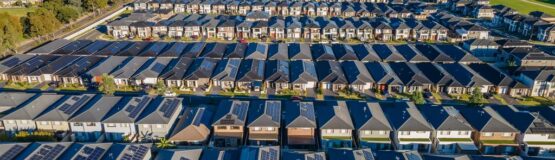


Sydney is set to welcome a brand-new inner-city suburb for the first time in more than a century. The proposed Bays West development aims to transform underutilised harbourfront land into a vibrant residential and community precinct, delivering thousands of new homes just minutes from the CBD.
The project forms part of the NSW Government’s broader strategy to address housing supply while improving access to well-connected urban areas.
A New Suburb on Sydney Harbour
The proposed suburb will be developed on government-owned port land at Glebe Island, directly above the future Bays West Metro Station, which is currently under construction.
Once completed, the precinct is expected to deliver up to 8,500 homes, creating a significant new residential hub close to the city centre. Despite the transformation, the government has confirmed that deep-water port facilities will remain operational, preserving key harbour infrastructure.
A portion of the housing will also be dedicated to affordability, with at least 10% of homes reserved for affordable and essential workers, including nurses, teachers, paramedics, firefighters, and police.
Planning a Well-Connected Community
A major focus of the Bays West project is connectivity. Planning aims to integrate housing with transport, open spaces, and surrounding neighbourhoods.
Future residents are expected to benefit from improved connections to nearby communities such as:
-
Rozelle
-
Balmain
-
Glebe
Pedestrian pathways, cycling links, and improved waterfront access are planned, along with better connections to the Sydney CBD via a link across the Glebe Island Bridge.
In addition to the new metro station—scheduled to open around 2032—the suburb will also be accessible through ferry services, walking routes, and cycling infrastructure, helping create a highly connected urban environment.
Opening a Previously Inaccessible Waterfront
One of the most significant aspects of the project is the creation of a new public waterfront precinct. According to the government, this will mark the first time in more than 100 years that the public will be able to access this section of Sydney Harbour.
The development will combine housing with parks, open spaces, and waterfront promenades, creating a destination for both residents and visitors.
Redeveloping Industrial Land
To support the transformation, bulk port operations on Glebe Island will cease by 2030, allowing the land to be repurposed for residential and public use.
The government has committed $270 million in funding to upgrade road infrastructure at Port Kembla, ensuring that port activities continue smoothly while operations shift away from Glebe Island.
Industrial silos currently located on the site will also be removed, potentially unlocking additional opportunities for housing and public space in the future.
Meanwhile, working harbour operations will largely be consolidated in White Bay.
A Cultural and Events Destination
Beyond housing, the precinct is also expected to play a role in Sydney’s cultural and event landscape.
The historic White Bay Power Station is set to undergo renewal, while a nearby staging area is being considered as a potential future location for major events such as Vivid Sydney and Sydney New Year’s Eve.
This approach aims to create a precinct that blends residential living with culture, entertainment, and public activity.
A Long-Term Vision for Sydney
The Bays West project represents a significant shift in how Sydney approaches urban growth. Rather than expanding further outward, the focus is on redeveloping well-located land close to existing infrastructure and employment hubs.
With housing, public space, transport, and cultural facilities planned together, the project aims to create a balanced neighbourhood designed for future generations.
If delivered as planned, Bays West could become one of Sydney’s most significant urban renewal projects—reshaping a historic harbourfront area into a thriving new community.