

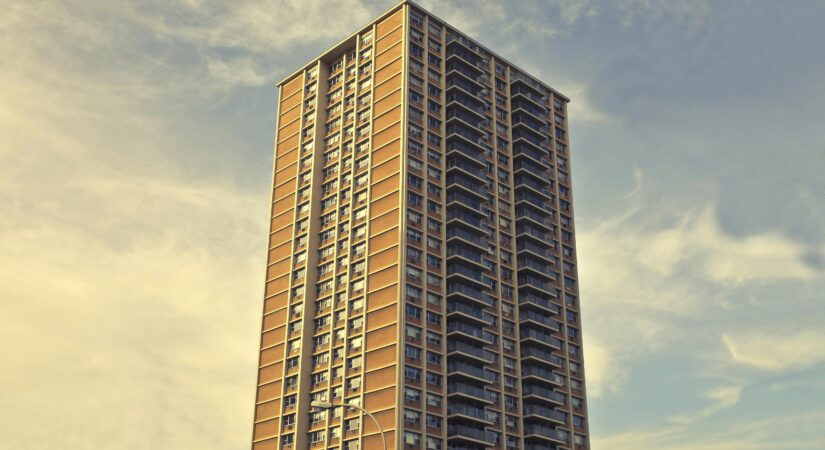
Strata living has become a defining feature of the NSW housing landscape. As of 2025, more than one million residents in NSW live in strata-titled properties, from high-rise apartments to townhouse communities. While strata by-laws outline formal rules, anyone who has lived in a shared building knows there is another layer of daily life: the unwritten rules — the cultural norms that emerge when many people share the same spaces, amenities, and routines.
This guide explores these often-overlooked dynamics. Not the technical regulations. Not the legalities. But the real human behaviours that shape how strata communities function. Understanding these unwritten rules can help owners, renters, and investors navigate strata life more harmoniously — and, ultimately, more confidently.
1. The Lift Etiquette Everyone Follows — Silently
In NSW apartment buildings, the lift is more than a transport system: it’s a shared social zone. While by-laws govern safety and capacity, the culture of lift use is unwritten but universally understood:
– No forced small talk: A polite smile is acceptable; conversation is optional.
– Door-hold diplomacy: Hold the door if the person is close. If they’re too far — the quiet nod of apology is standard.
– Button courtesy: If you’re closest to the panel, you’re the button manager.
Small moments like these shape a respectful living environment, even without formal instruction.
2. Laundry Room Norms (Even if Your Building Pretends There Aren’t Any)
For buildings with shared laundries, the norms evolve quickly:
– Unattended cycles: Acceptable, but only briefly. Leaving washing overnight is the ultimate faux pas.
– Machine inheritance: If a finished cycle sits untouched, the next user may place items neatly aside. It’s not rude — it’s practical.
– Quiet hours matter: Even without an official rule, most residents avoid late-night washing.
These rhythms keep communal areas functional and friction-free.
3. Waste & Recycling: The “Bin Room Code”
NSW strata by-laws outline waste requirements, but in practice, residents often develop additional community expectations:
– Flatten boxes: It creates space and prevents overflow.
– No mystery items: If you’re unsure whether something belongs in recycling — it probably doesn’t.
– Bulk items are never left ‘just for a day’: They disrupt traffic flow and often breach fire-safety guidelines.
Bin rooms are among the most sensitive areas in a strata building. Residents who follow the unwritten code contribute to better hygiene, efficiency, and neighbour relationships.
4. Parking Etiquette: The Unofficial Treaty
With parking being one of the most contested topics across NSW strata schemes, informal rules naturally emerge:
– Stay within your lines: Even slight overhangs affect others.
– Visitor parking is for visitors: Regular misuse leads to tension faster than almost any other issue.
– Short-term stops should be communicated: Leaving a note on the dashboard is considered courteous.
Clear communication avoids most disputes — a principle reinforced by strata-management professionals across NSW.
5. Balcony Diplomacy & Noise Awareness
Even the most well-built properties experience shared acoustics, airflow, and connected outdoor spaces. While by-laws address excessive noise and disruptive activities, strata communities rely heavily on unwritten expectations such as:
– Moderation: Avoiding loud conversations, heavy dragging of furniture, or late-night gatherings.
– Consideration: Smoke, cooking odours, and music travel vertically — not just across units.
– Timing: Weekend mornings and late nights are universally treated as “quiet periods.”
Respect for shared environments is essential for harmonious strata living.
6. The Reality of Shared Responsibility
While the lighthearted aspects of strata life are part of its charm, it’s important to acknowledge a major 2025 reality: NSW strata buildings face increasing complexity in maintenance, compliance, and common-property defects. Recent government research shows:
– Approximately half of NSW strata buildings built in the last decade have recorded serious defects.
– Most relate to waterproofing, fire protection, structural works, or common-area systems.
These challenges highlight an underlying truth:
Living in a strata community means your building’s health, safety, and management affect everyone.
This shared responsibility is not always spoken about, but it is always present — and it reinforces the importance of experienced property and strata management.
7. Community Courtesy: The Social Contract
Finally, the foundation of every successful strata community is simple courtesy. Not written. Not enforced. Just understood:
– Pick up parcels promptly.
– Report maintenance issues early.
– Maintain common areas as if they were your own.
– Acknowledge neighbours — even with just a nod.
These gestures cultivate trust, safety, and cooperation — essential ingredients for positive strata living.
Conclusion
Strata living in NSW is more than a set of by-laws. It’s a shared lifestyle built on habits, behaviours, and small daily decisions that shape the overall experience. When residents understand both the written rules and the unwritten ones, building communities thrive.
At RnJ Realty, we’ve managed properties across greater Sydney for years. We understand the complexities, the nuances, and the human side of strata living. Whether you’re an owner, landlord, or tenant, our role is to support seamless, respectful, and well-managed communities.
If you’re navigating strata living or investing in a strata property, RnJ Realty can help with expert guidance and professional property management.
👉 Contact us today for tailored advice and support.