

Sydney’s rental market ended 2025 at record highs, with asking rents rising sharply across a mix of inner-city and outer-ring suburbs. As affordability pressures pushed tenants further from the CBD, some locations recorded annual rent increases of nearly 30 per cent, highlighting just how competitive the market remains.
Domain’s latest Rent Report shows that while rental growth has moderated compared with the peaks of 2022–2024, conditions for tenants are still extremely tight, with limited supply and strong demand continuing to drive prices upward.
Record rents despite easing vacancy pressures
In December, Sydney’s vacancy rate rose to 1.4 per cent, up from 0.9 per cent in the previous quarter. This increase reflects the annual changeover period, particularly as students conclude leases at the end of the year. However, vacancy remained below the 1.7 per cent recorded in December 2024, signalling that competition for rental properties is still intense.
Both houses and units finished the year at all-time high asking rents:
- Units: up 7.1 per cent over 2025 to a median of $750 per week
- Houses: up 3.9 per cent to a median of $800 per week
With the gap between unit and house rents narrowing, more tenants are adjusting their expectations and targeting smaller or higher-density homes.
Affordability flight reshapes demand
Domain senior economist Dr Joel Bowman said rising house rents are pushing many tenants into the unit and townhouse market.
“Tenants who might have tried for a detached house are now trying for a townhouse or a unit,” he said.
This shift has fuelled strong rental growth in areas that offer relative affordability while remaining within commuting distance of Sydney—particularly on the Central Coast.
Suburbs with the biggest rent increases
Unit rents
Some of the strongest annual increases in unit rents were recorded in:
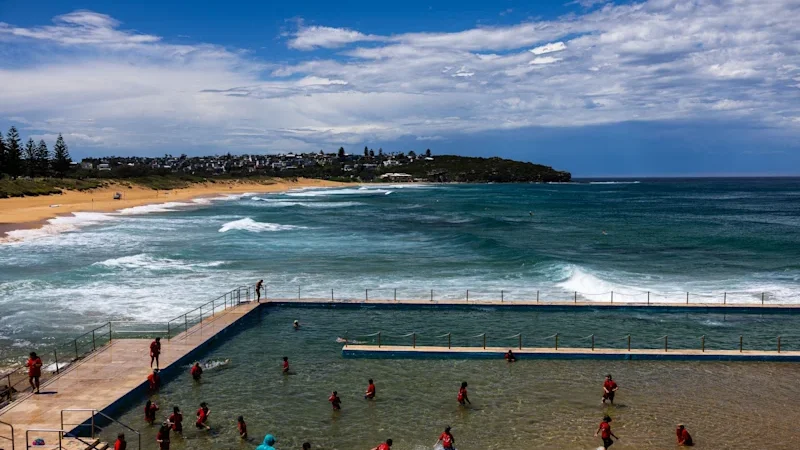
- Curl Curl: up 22.2 per cent
- West Gosford: up 21.7 per cent
- Barangaroo: up 17.6 per cent
Four suburbs in the Gosford region featured in the top 20 list for unit rent growth, reflecting strong demand from renters priced out of Sydney’s inner and middle-ring suburbs.
House rents
House rents also surged in several locations, led by:
- Pyrmont: up 29.8 per cent
- Beacon Hill: up 21.6 per cent
- Gosford: up 21.5 per cent
- Lisarow: up 20 per cent
- Wheeler Heights: up 18.7 per cent
According to Bowman, Pyrmont’s sharp rise was driven by its desirable inner-city location and a lack of new housing supply.
Growth slowing, but pressure remains
While some suburbs recorded double-digit annual rent increases, overall rental growth across Sydney has slowed compared with previous years.
“All in all, affordability constraints are limiting how much landlords can push up rents,” Bowman said.
However, this moderation offers little relief for renters facing intense competition for limited listings.
Centre for Independent Studies chief economist Dr Peter Tulip said the rental search remains challenging in a low-vacancy, high-cost environment.
“Anyone who has queued up for an inspection recently will verify that it remains very difficult to find an appropriate rental,” he said.
Tulip pointed to chronic housing undersupply in NSW as the core driver of rising rents, noting that while rents may stabilise or fall in coming years, that provides little comfort for renters searching today.
Real-life impact on renters
For many tenants, rising rents have meant compromising on location, budget, or living arrangements.
Saskia Gray, a 20-year-old retail worker, spent four months searching for a rental with her partner before securing a small one-bedroom apartment in Drummoyne for $600 per week.
The couple increased their budget from $500 and abandoned plans to live in Newtown, applying for their eventual home before even inspecting it.
Despite securing housing, Gray said the prospect of home ownership feels increasingly out of reach.
“The prices in Sydney have become unrealistic,” she said.
A market under strain
Tenant advocates say financial stress is mounting across Sydney. Rent Fairy tenants’ agency director Sarah Elkordi said many renters are being priced out altogether.
“They might have been in their rental for 18 months or two years, they’ve been given a rent increase, and that increase is a step too far,” she said. “Now they’re moving back in with their parents.”
While Sydney renters are feeling the pressure most acutely, Elkordi noted that affordability challenges driven by supply shortages and rising living costs are affecting every state.
As 2026 begins, Sydney’s rental market remains defined by tight supply, strong demand, and limited options for affordability—particularly in areas close to jobs, transport, and amenities.