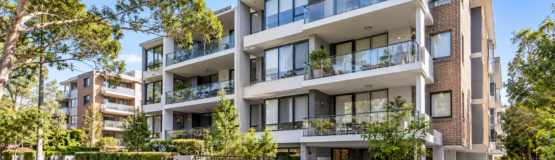


Thinking about listing your Sydney apartment for short-term stays? Your strata building may have something to say about it.
Short-stay accommodation, including properties advertised through Airbnb and similar platforms, has become an important consideration for apartment owners and property investors across NSW.
But owning an apartment doesn’t automatically mean you can use it for short-term accommodation whenever you choose.
Under NSW law, strata buildings can restrict certain short-stay rentals. However, those restrictions have important limits.
Here’s what property owners need to know.
1. Can Strata Buildings Ban Short-Stay Rentals?
Yes, but only in certain circumstances.
Under Section 137A of the Strata Schemes Management Act 2015, an owners corporation can introduce a by-law prohibiting short-term rental accommodation when the property is not the host’s principal place of residence.
In simple terms:
Investment apartment: If you don’t normally live in the apartment, the strata building may prohibit its use for short-term accommodation.
Your main home: If the apartment is your principal place of residence, strata cannot use a short-stay rental prohibition by-law to stop you from renting it out temporarily.
This distinction is important for investors considering short-stay accommodation as an alternative to traditional property leasing.
It also means strata buildings cannot simply introduce a blanket prohibition covering every short-term rental arrangement.
2. What If You Live in the Apartment?
Imagine you own an apartment in Sydney and live there as your main home.
You decide to rent it out while travelling overseas for several weeks.
Under NSW strata legislation, your owners corporation cannot prohibit that short-stay arrangement through a by-law made under Section 137A simply because it is short-term accommodation.
However, this doesn’t mean you can ignore other requirements.
You must still comply with applicable planning rules, safety standards, registration requirements and the NSW short-term rental accommodation Code of Conduct.
The key point: Your rights depend on whether the apartment is genuinely your principal place of residence, not simply whether you own it.
3. What About Investment Properties?
The situation is different when an apartment is held primarily as an investment.
For example, suppose you own an apartment in Greater Sydney but live elsewhere.
You plan to advertise the entire property for short stays.
If your strata scheme has a valid by-law prohibiting short-term rental accommodation in properties that are not the host’s principal residence, your plans may be restricted.
Importantly, the restriction must be properly introduced.
Under NSW legislation, a short-stay prohibition by-law requires a special resolution of the owners corporation.
A strata committee cannot simply decide on its own to introduce a new building-wide ban.
Before purchasing an apartment for short-stay accommodation, investors should review the scheme’s current registered by-laws.
4. Sydney Also Has a 180-Day Rule
Strata by-laws aren’t the only restrictions property owners need to consider.
Under the NSW short-term rental accommodation planning framework, non-hosted short-term rentals in Greater Sydney are generally limited to 180 days per annual registration period when operating under the exempt development pathway.
Non-hosted accommodation means the host does not reside at the premises during the stay.
However, there are important details:
The 180-day limit applies to non-hosted accommodation in Greater Sydney under the relevant planning rules.
Bookings of 21 consecutive days or more do not count towards this limit.
Properties operating under certain existing development approvals may be subject to different conditions.
Hosted accommodation is generally not subject to the same annual day limit.
The 180-day rule does not override a valid strata by-law.
Even if planning rules permit short-term rentals, a valid strata restriction may still prevent an investment apartment from being used that way.
5. Other Requirements Owners Should Know
Before advertising a property for short stays, owners should also understand several practical obligations.
Property registration
Short-term rental accommodation properties generally must be registered through the NSW Planning Portal before being advertised or offered for short-term rental.
Registration must be renewed annually.
Fire safety
Properties used for short-term accommodation must comply with applicable fire safety requirements, including relevant smoke alarm and evacuation information requirements.
Insurance
Hosts must hold insurance covering their liability for third-party injuries and death during the occupancy period.
Building rules
Owners and guests must comply with applicable strata by-laws covering matters such as noise, common property and building access.
Hosts must also provide required information about their short-stay activities and contact details to neighbouring premises and the owners corporation.
These obligations apply separately from whether a strata building permits short-term accommodation.
6. Three Things to Check Before Buying a Strata Investment Property
If you’re considering purchasing a Sydney apartment with short-stay accommodation in mind, don’t assume the property can automatically be used for that purpose.
Before committing, consider these three questions.
1. What do the registered strata by-laws say?
Request the current by-laws and check whether short-term rental accommodation is restricted.
2. What planning restrictions apply?
Check the property’s location, applicable day limits and whether any development approval affects its permitted use.
3. What will compliance involve?
Consider registration, fire safety, insurance and ongoing building requirements before making financial assumptions.
These checks can help investors avoid purchasing a property that cannot be used as originally intended.
Final Thoughts: Ownership Doesn’t Always Mean Unlimited Use
Owning a strata apartment comes with rights, but also responsibilities.
NSW law allows strata buildings to restrict short-term rentals in properties that are not the host’s principal place of residence.
At the same time, it protects certain short-stay arrangements involving an owner’s main home.
For Sydney property investors, the lesson is simple:
Before buying, listing or changing how you use an apartment, understand the building’s by-laws and the NSW rules that apply.
A little research before making a decision can help prevent expensive misunderstandings later.
Need Guidance With Your Sydney Investment Property?
At RnJ Realty, we understand that property ownership involves more than buying, selling or collecting rent.
From understanding strata requirements to navigating ongoing property management responsibilities, having the right information matters.
Whether you’re purchasing an investment property or reviewing your existing property management arrangements, our team is here to help.
Looking for professional property management support in Greater Sydney?
Contact RnJ Realty to discuss your property needs.
RnJ Realty | Greater Sydney
📞 0433 228 881
✉️ info@rnjrealty.com.au
🌐 www.RnJRealty.com.au
Disclaimer: This article provides general information based on NSW legislation and government guidance. It does not constitute legal, financial or investment advice. Individual circumstances, planning approvals and registered strata by-laws may affect what is permitted.