
For NSW homeowners, investors and buyers, building or renovating now needs a sharper look at the numbers.
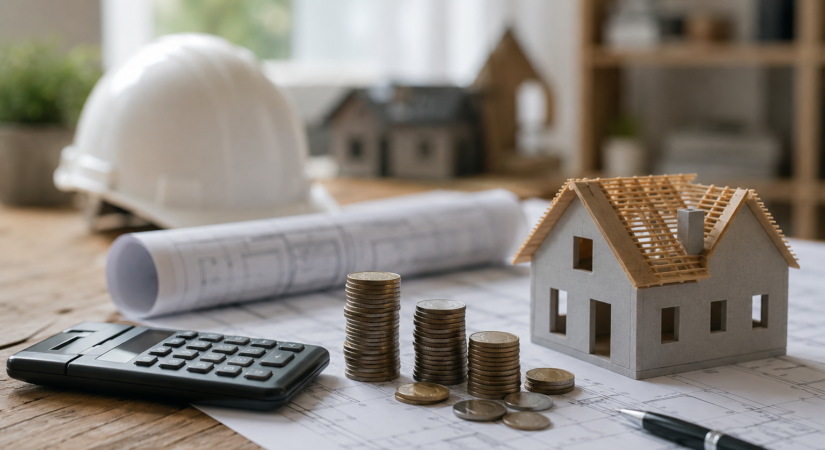
Recent reporting based on ABS data shows the average cost of building a new home in Australia has climbed to nearly $525,000. In NSW, the average cost of a new house was reported at $520,907, before land and many of the extras that usually come with a completed project.
At the same time, building approvals remain under pressure. ABS data showed total dwelling approvals fell 3.4% in April 2026 to 16,710, after a 10.5% fall in March. That matters because fewer approvals can keep pressure on housing supply, while high construction costs continue to affect what owners can realistically build or renovate.
This is why the build-cost conversation is no longer just about design. It is about timing, budget and strategy.
A quote is only the starting point
One of the biggest risks for owners is treating the builder’s quote as the full cost.
The final figure can change once you include approvals, site preparation, engineering, drainage, service upgrades, design changes, landscaping, finance costs, rent loss, temporary accommodation and delays.
That does not mean building or renovating is a bad decision. It means the decision needs to be tested properly before work begins.
For many Sydney owners, the better question is not:
“Can we afford the quote?”
It is:
“Can we afford the full project from start to finish?”
Why this matters for investors
For property investors, higher build costs make every improvement decision more important.
A rental property does not need to be overdone. It needs to be safe, functional, well-maintained and suitable for the market. Spending heavily on upgrades that do not improve the property’s long-term performance can weaken the return.
The smarter approach is to separate work into three categories:
Essential repairs that protect safety, compliance or the condition of the property
Practical improvements that reduce future maintenance or improve appeal
Cosmetic upgrades that may look good but are not urgent
This helps owners spend where it matters most, instead of reacting emotionally to every possible improvement.
Why this matters for homeowners
For homeowners, the challenge is often timing.
It is natural to want to improve a property after buying it, especially if the layout, finishes or outdoor areas do not suit the household. But in today’s construction environment, doing everything at once can create unnecessary financial pressure.
A staged plan can often be the better decision.
Fix urgent issues first. Understand how the home performs across a few months. Get more than one quote. Keep a contingency. Then decide which upgrades genuinely improve the property and which can wait.
A smaller, well-planned improvement can sometimes be more valuable than a rushed major renovation.
Why this matters for first-home buyers
For first-home buyers, the phrase “needs work” should be treated carefully.
A cheaper purchase price can be appealing, but the real cost depends on what needs to happen after settlement. A tired kitchen is one thing. Roof issues, drainage problems, bathroom waterproofing, old wiring or strata defects are very different.
Before buying a property that needs work, buyers should ask:
Can I live in it comfortably while repairs are delayed?
Which issues are cosmetic and which are urgent?
Do I understand the likely cost of the first 12 months?
Will approvals or strata permission be needed?
Do I still have a buffer after settlement?
In today’s market, a property is not automatically good value just because it needs renovation.
The real takeaway
The $525,000 build-cost reality check is not about avoiding construction. It is about making better property decisions.
Building, renovating or buying a property that needs work can still make sense. But the numbers need to be tested beyond the quote.
For NSW owners, the strongest decisions are the ones backed by a clear reason, a realistic budget and a plan for the unexpected.
Before committing to a major project, look at the full cost, not just the finished idea.
If you are weighing up whether to renovate, rebuild, lease, or hold your property, speak with the RnJ Realty team for practical guidance on how the decision may affect your property’s value, rental readiness, and long-term plan.