

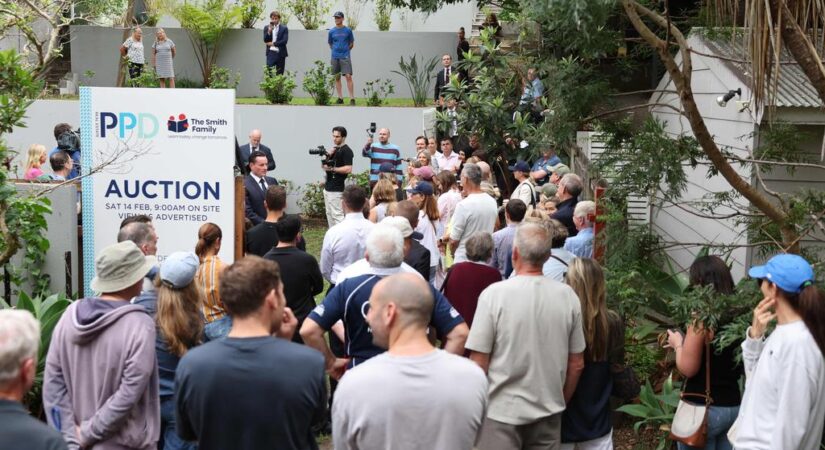
Australia’s first-home buyer support was designed to help younger Australians enter the housing market — but new data suggests the balance may be shifting. In parts of Sydney, high-income professionals are emerging as the biggest beneficiaries, leaving lower-income buyers struggling to compete.
A Growing Divide Among Young Buyers
Recent analysis of data from the Australian Bureau of Statistics shows a growing concentration of under-35s earning more than $150,000 per year in select Sydney suburbs. Many of these buyers work in high-growth industries such as technology, finance, and e-commerce — and they’re entering the property market earlier, with significantly more borrowing power.
This trend has intensified following changes to the First Home Guarantee Scheme under the government led by Anthony Albanese.
What Changed in the First Home Guarantee Scheme?
The First Home Guarantee allows eligible buyers to purchase a home with as little as a 5% deposit, without paying lenders mortgage insurance. Until late 2024, the scheme was capped at:
-
$125,000 for singles
-
$200,000 for couples
Those income caps were removed in October, while Sydney’s property price threshold was lifted to $1.5 million.
While intended to improve access, critics argue the changes have widened competition — particularly in lifestyle suburbs already under pressure.
High Earners Now Dominating Key Suburbs
ABS data reveals that some of Sydney’s most desirable inner-city and coastal suburbs now have the highest concentration of wealthy under-35s in the country.
Suburbs with the highest numbers of under-35s earning over $150,000 include:
-
Bondi Beach–North Bondi
-
Surry Hills
-
Erskineville–Alexandria
-
Manly–Fairlight
-
Potts Point–Woolloomooloo
These are the same areas where first-home buyers already face intense competition, limited supply, and rising prices.
“It’s Pushing Prices Up”
Mortgage brokers and financial advisers say the scheme is now overwhelmingly being used by buyers who earn well above what the program originally targeted.
Mortgage Choice broker Richard Brown noted that many first-home buyers using the scheme are earning significantly more than the former income caps — some reportedly as high as $400,000 per year.
Financial experts warn that this shift has contributed to higher property prices and rents, effectively sidelining essential workers such as nurses, teachers, and firefighters — groups the scheme was originally meant to support.
Lifestyle, Equity, and Timing
According to agents in Sydney’s coastal suburbs, the trend accelerated after the pandemic. Younger, high-income couples increasingly prioritise lifestyle locations near the beach or CBD, often supported by flexible work arrangements.
In addition, many buyers in their early 30s already hold substantial equity from earlier purchases, allowing them to upgrade quickly and bid aggressively — further widening the gap between buyers with assets and those still trying to save a deposit.
The Bigger Issue: Supply
Critics argue that while buyer incentives boost demand, they do little to address Sydney’s underlying supply shortage.
Without increased housing supply, schemes like the First Home Guarantee may continue to inflate prices — helping those who are already financially strong, while pushing lower-income first-home buyers further out of reach.
What This Means for Sydney Buyers
Sydney remains the country’s strongest market for young, high-income professionals — but that strength comes with growing inequality.
For first-home buyers on average incomes, competition is toughest in exactly the suburbs they want most. For investors and sellers, however, these same areas continue to show strong demand, price resilience, and long-term appeal.
As policy settings evolve, the divide between who can buy and who can’t is becoming one of the defining challenges of Sydney’s housing market.